Can I Attach a Deck to My House Safely?
Ledger rules, load paths, and waterproof integrity explained. Learn the proper techniques for attaching a deck to your home.

Ty Connors
Lead
Safely Attaching a Deck to Your Home
The ledger board – the piece of lumber that attaches your deck to your house – is one of the most critical components of deck construction. Done correctly, it provides a solid, waterproof connection. Done poorly, it can lead to structural failure and water damage.
Why Ledger Attachment Matters
The ledger board:
- Transfers loads from the deck to the house structure
- Must be waterproof to prevent rot and moisture intrusion
- Requires proper fasteners to handle dynamic loads
Proper Ledger Installation
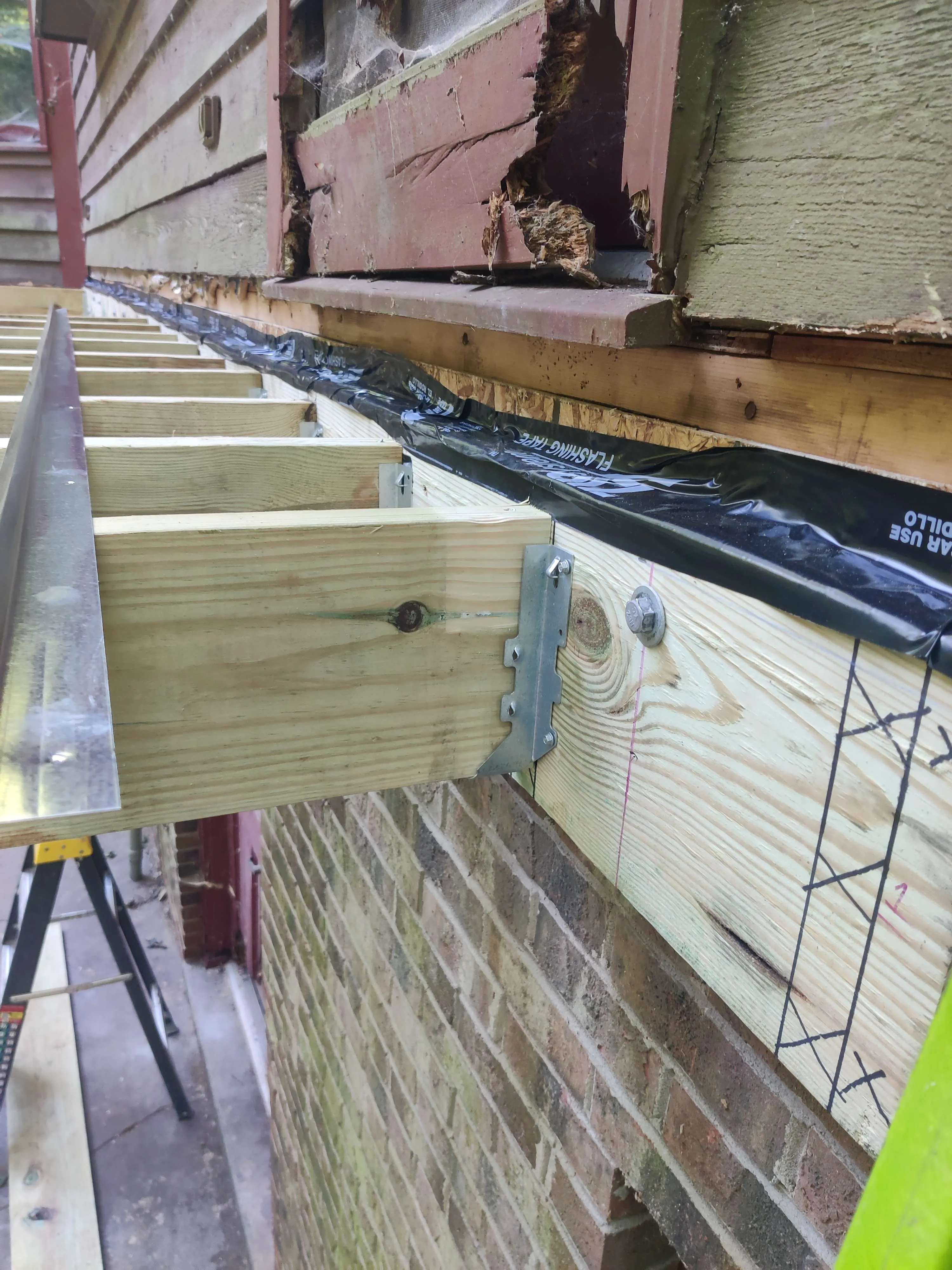
A code-compliant ledger installation includes:
- Removing siding – The ledger must attach directly to the rim joist or wall framing
- Flashing installation – Z-flashing or self-adhesive membrane prevents water infiltration
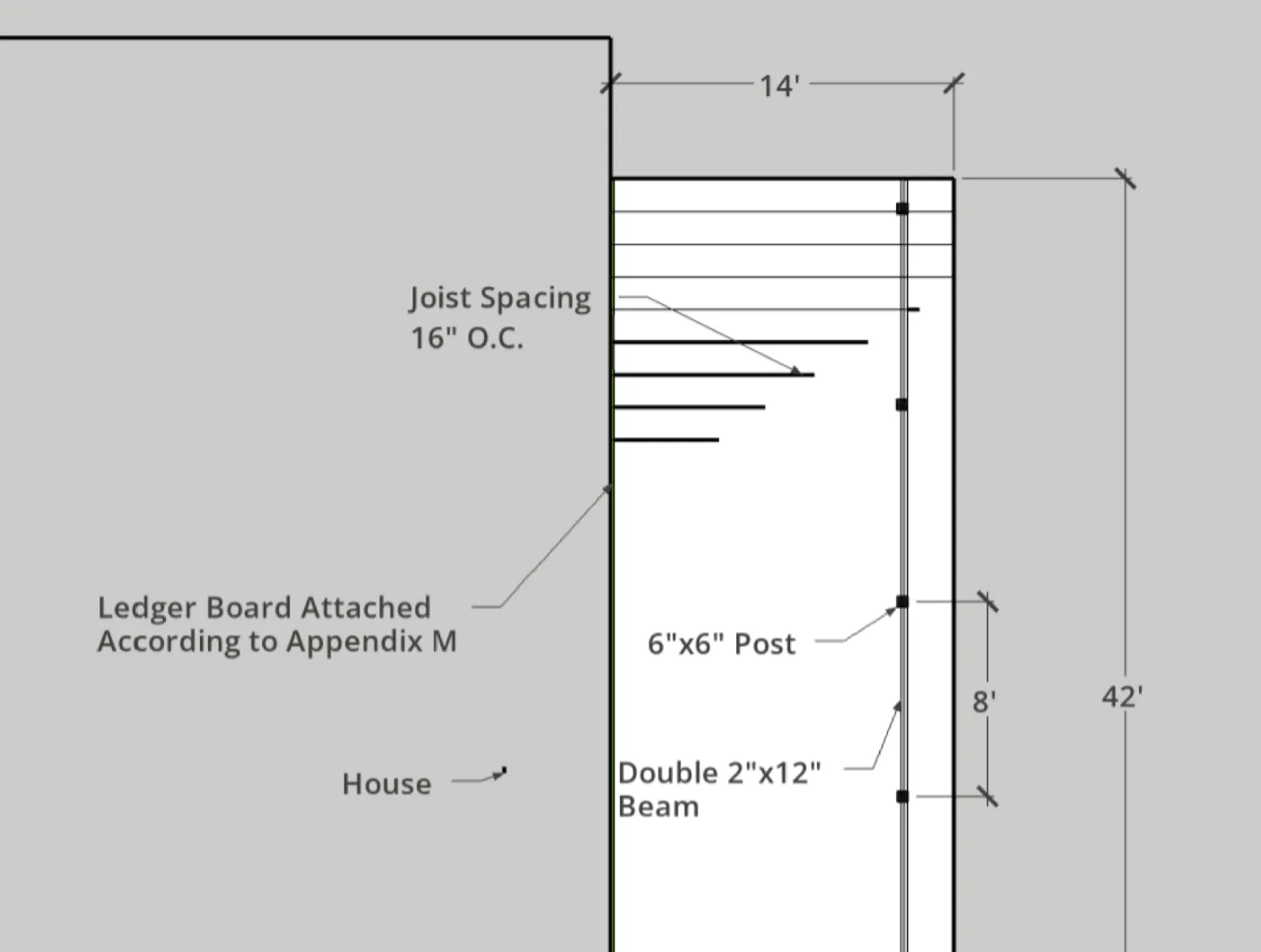
- Lag bolts or structural screws – Sized and spaced per engineering requirements
- Proper spacing – Allows for water drainage behind the ledger
Common Mistakes We See
When evaluating existing decks, we often find:
- Ledgers attached through vinyl siding
- Missing or improperly installed flashing
- Undersized or corroded fasteners
- Gaps that allow water penetration
When Ledger Attachment Isn't Recommended
Some situations call for a freestanding deck:
- Stucco or EIFS exteriors – Penetrations are problematic
- Cantilevered floors – May not provide adequate support
- Historic homes – Preservation concerns may apply
The Pegasus Approach
Our team follows manufacturer specifications and building codes precisely. Every ledger we install includes:
- Proper flashing and waterproofing
- Engineered fastener patterns
- Inspector-verified connections
- Written warranty coverage
Ready to start your deck project?
Contact Pegasus Decking for a free consultation and quote on your Raleigh-area project.
Get a Free Quote